




The holiday season is a time for family, friends, celebrations, and making memories. Unfortunately, it is also a time when increased traffic and impaired driving can turn what should be a joyful occasion into a tragedy. No celebration is worth risking your life or the lives of other by getting behind the wheel when impaired. If your holiday plans include alcohol, make arrangements for a sober driver, call an Uber or another rideshare service, or find a safe alternative to driving. A little planning can prevent a lifetime of regret.
At the Williams Firm, we see firsthand the devastating consequences that impaired driving can have on individuals and families. While our firm regularly represents individuals charged with DUI offenses, we also focus on representing victims and families whose lives have been forever changed by serious automobile accidents. Our message is simple: if you’ve been drinking, don’t drive. There is always a better option than taking that risk.
With increased holiday travel also comes heightened law enforcement activity throughout South Carolin, including DUI checkpoints and traffic enforcement along major highways and local roadways.. Even a completely sober driver can feel their stomach drop seeing those lights ahead. Understanding your rights and responsibilities during these encounters is important, regardless of whether you have consumed alcohol.
With that in mind, let’s take a closer look at DUI checkpoints in South Carolina, what officers can and cannot require, and what you should know if you find yourself being stopped this holiday season.
Are DUI Checkpoints Legal in South Carolina?
Yes, DUI checkpoints are legal in South Carolina, but only when law enforcement follows specific procedural requirements. Checkpoints generally have to be set up using a neutral, predetermined formula for which vehicles get stopped, rather than letting individual officers pick and choose. They typically require supervisory approval in advance, reasonable public notice, and safety precautions like proper lighting and signage.
If a checkpoint wasn’t conducted according to these requirements, that can become an important issue in any resulting DUI case, which is exactly why a detailed review of how the checkpoint was run matters so much.
What Happens When You’re Stopped
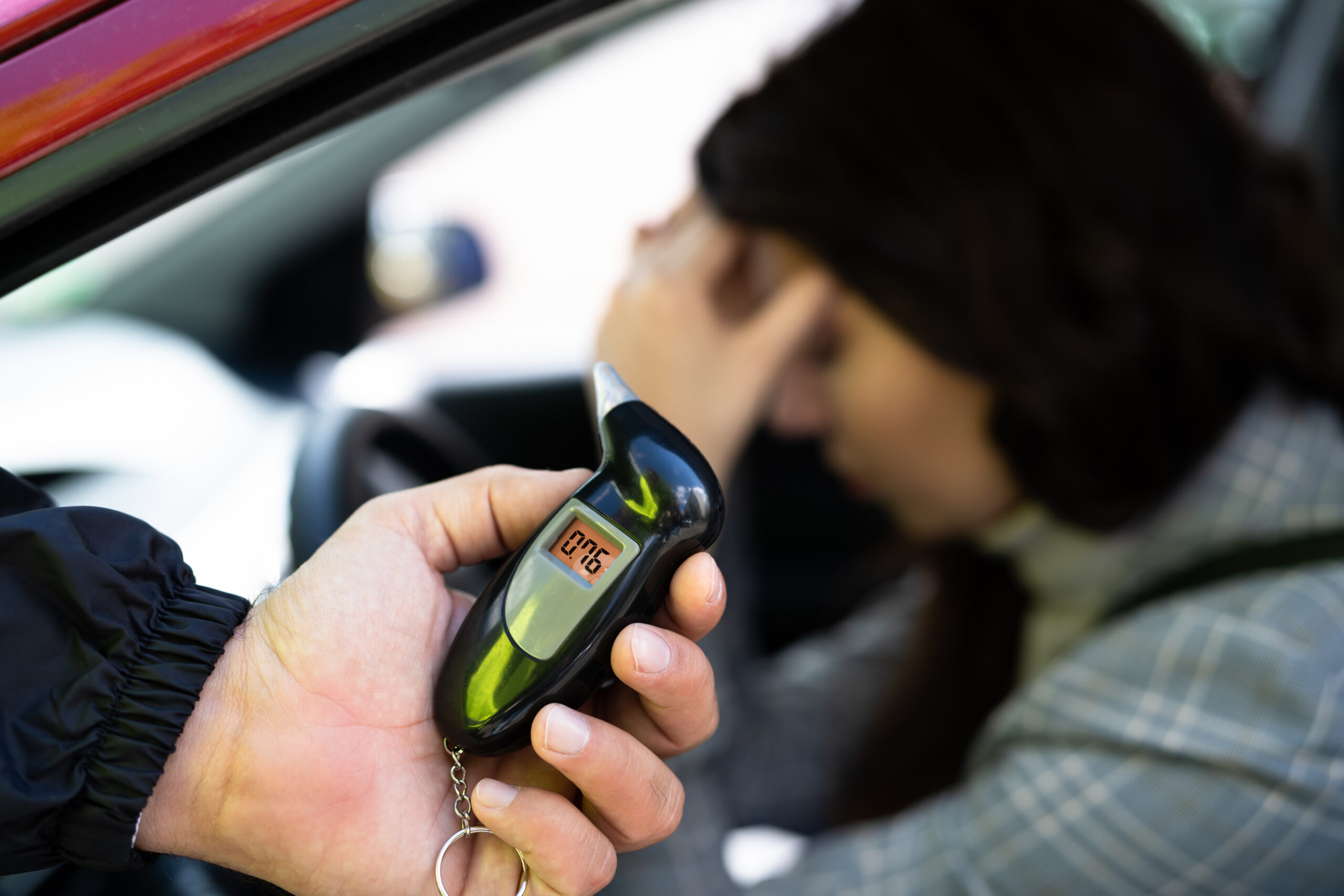
At a checkpoint, an officer will typically ask for your license and registration and look for signs of impairment, such as the smell of alcohol, slurred speech, open containers, or admissions you make yourself. Based on what the officer observes, you may be asked to step out of your vehicle and perform field sobriety tests, or asked to take a roadside breath test.
Do You Have to Perform Field Sobriety Tests?
In South Carolina, you generally have the right to decline roadside field sobriety tests. These tests, like walking a straight line or standing on one leg, are different from the chemical breath, blood, or urine tests covered by the state’s implied consent law. Declining field sobriety tests doesn’t guarantee you won’t be arrested if an officer already believes you’re impaired, but you’re not legally required to perform them.
Understanding South Carolina’s Implied Consent Law
South Carolina’s implied consent law generally requires drivers to submit to a chemical test (breath, blood, or urine) once lawfully arrested for DUI, and refusing that test carries its own administrative penalties, separate from the DUI charge itself. A refusal can lead to a license suspension through the Department of Motor Vehicles, independent of whatever happens with the criminal case. This is an important distinction. Declining a roadside field sobriety test before arrest and refusing a chemical test after a lawful arrest are two different things with two different sets of consequences.
Your Rights at a Checkpoint or Traffic Stop
You’re generally required to provide your license, registration, and proof of insurance. Beyond that, you have the right to remain silent about where you’ve been or how much you’ve had to drink, and you have the right to decline field sobriety tests. If you’re arrested, you have the right to an attorney and the right to remain silent, and it’s worth exercising those rights before answering further questions.
Staying calm, polite, and brief is almost always the right approach. Arguing with an officer at the scene rarely helps, and anything you say can end up in the police report.
What a DUI Conviction Can Mean
Even a first DUI offense in South Carolina can carry fines, license suspension, Ignition Interlock Device requirements, and participation in the state’s Alcohol and Drug Safety Action Program (ADSAP), along with the practical fallout of a criminal record. Penalties generally increase with a driver’s blood alcohol level and with any prior offenses.
Why You Shouldn’t Handle a DUI Arrest Alone
A DUI charge involves more moving parts than people expect: the legality of the stop or checkpoint itself, whether field sobriety tests were properly administered, whether breath or blood testing equipment was properly calibrated and maintained, and whether your rights were respected throughout. An experienced attorney can examine each of these pieces and, in many cases, work toward a reduced charge or a dismissal.
Frequently Asked Questions
Can police set up DUI checkpoints anywhere in South Carolina? No. Checkpoints generally have to follow a neutral formula for stopping vehicles, have supervisory approval, require data supporting the need for the checkpoint at a particular location, and include reasonable safety precautions. A checkpoint that doesn’t meet these requirements can become a significant issue in a DUI case.
Do I have to answer questions at a DUI checkpoint? You’re generally required to provide your license, registration, and insurance information, but you have the right to remain silent about other details, such as where you’re coming from or how much you’ve had to drink.
What happens if I refuse a breath test in South Carolina? Refusing a chemical breath, blood, or urine test after a lawful DUI arrest can lead to an administrative license suspension under South Carolina’s implied consent law, separate from the outcome of the criminal charge itself.
Should I take field sobriety tests if I’m pulled over? You generally have the right to decline roadside field sobriety tests in South Carolina, though it’s worth understanding that declining doesn’t prevent an arrest if an officer already suspects impairment based on other factors.
If you were arrested at a checkpoint or during a traffic stop this holiday season, don’t wait to get answers. Give our office a call for a consultation.
Contact The Williams Firm today. Protecting your future starts with the right defense.