





The start of the school year changes the rhythm of every neighborhood in Orangeburg. Buses are back on their routes, kids are walking to bus stops before sunrise, and school zones fill up with cars every morning and afternoon. It’s also the time of year when I see the most questions, and unfortunately the most accidents, involving children near schools and bus stops.
At The Williams Firm, I want every parent and driver in our community to understand exactly what South Carolina law expects of you around school zones and buses, and what your options are if a driver’s carelessness hurts a child.
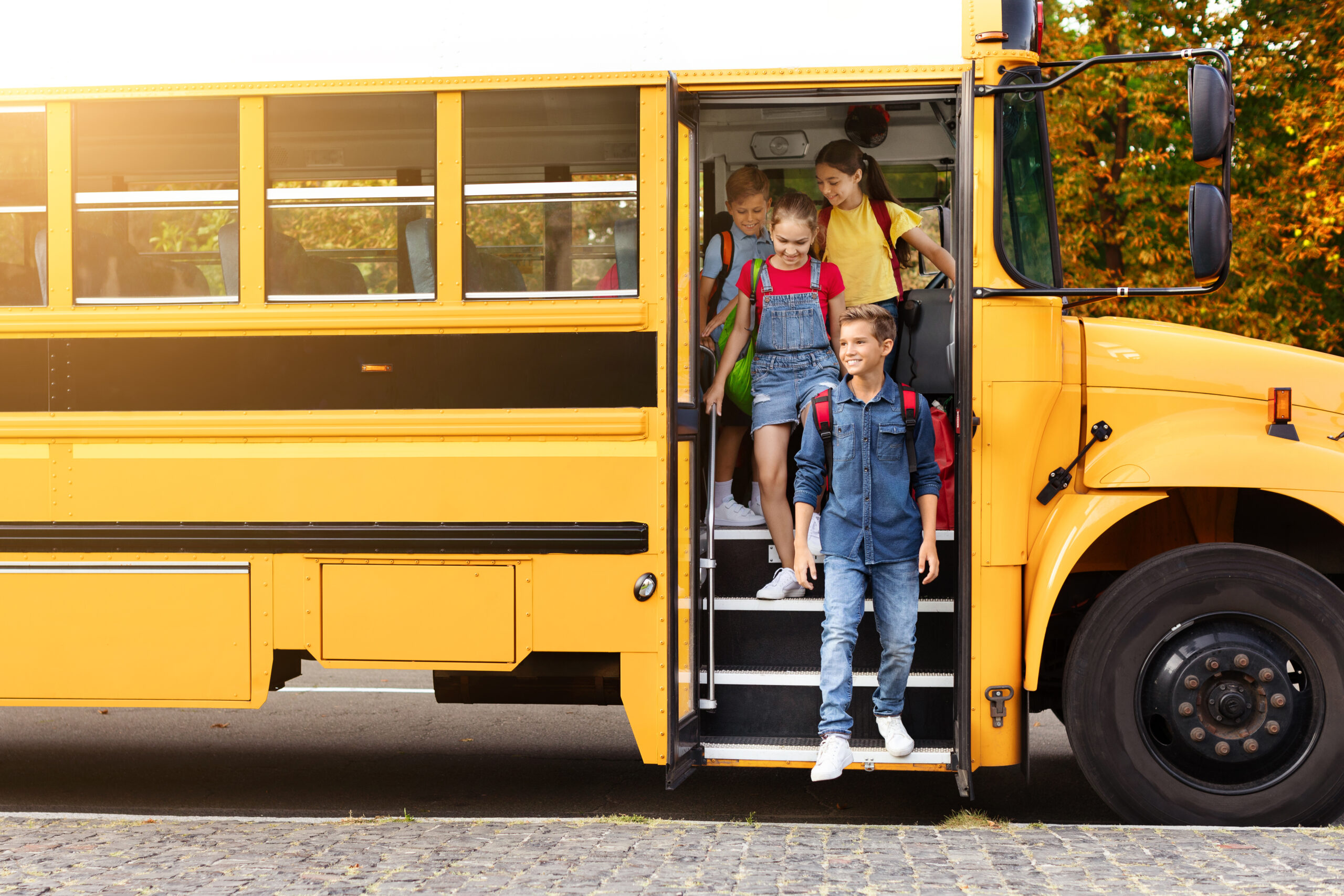
What South Carolina Law Requires in a School Zone
South Carolina law requires drivers to slow down and stay alert in posted school zones, particularly when children are present or flashing lights are active. School zones typically carry reduced speed limits during arrival and dismissal times, and those limits are enforced for a reason: children are unpredictable, smaller in size, and harder to see than adult pedestrians, especially near parked cars and buses.
Distracted driving is especially dangerous in these areas. A driver glancing at a phone for even a few seconds can miss a child stepping off a curb or darting between vehicles.
The Rules for Stopping for a School Bus
South Carolina law requires drivers to stop for a school bus that has its red lights flashing and stop arm extended, whether they’re approaching from behind or from the opposite direction, unless a physical median separates the lanes. This is one of the most important, and most frequently broken, traffic laws in the state.
Passing a stopped school bus isn’t just a ticket waiting to happen. It’s one of the leading causes of serious injuries to children, since kids are crossing directly in front of or behind the bus exactly when a passing driver has the least amount of time to react.
Who Is Liable If a Child Is Hurt Near a School or Bus Stop?
When a driver violates a school zone speed limit or fails to stop for a school bus and a child is hurt as a result, that driver can generally be held liable for the child’s injuries. Courts and insurance companies often treat a violation of these specific safety laws as strong evidence of negligence, since the law exists precisely to prevent this kind of accident.
That said, these cases still require solid evidence: witness statements, any available video (school buses increasingly carry cameras, and nearby homes or businesses may have footage too), the police report, and a clear account of what happened. The sooner that evidence is gathered, the stronger the case tends to be.
What to Do If Your Child Is Hurt in a School Zone or at a Bus Stop
Get your child medical attention first, even if the injury looks minor. Some injuries, particularly head injuries, aren’t obvious right away. Once your child is safe and being seen by a doctor, try to get the driver’s information, note the exact location and time, and ask any witnesses, including bus drivers or other parents, for their contact information.
From there, an attorney can help preserve video evidence before it’s deleted or overwritten, request the police report, and deal with the insurance company on your behalf while you focus on your child’s recovery.
Frequently Asked Questions
Do I have to stop for a school bus on the other side of the road in South Carolina? In most cases, yes. South Carolina law generally requires drivers on both sides of the road to stop for a school bus with its red lights flashing and stop arm out, unless the road has a physical median separating the directions of travel.
What happens if I’m hit by a driver who passed a stopped school bus? A driver who illegally passes a stopped school bus can typically be held liable for any resulting injuries, and the violation itself is often strong evidence of that driver’s negligence.
Are school zone speed limits enforced all day in South Carolina? No. School zone speed limits are typically tied to specific arrival and dismissal windows or active flashing lights, though drivers should stay alert near schools at all times.
What should I do right after my child is hurt near a school or bus stop? Get medical attention first, then gather the other driver’s information, note witnesses, and contact an attorney quickly so video evidence and other records can be preserved before they’re lost.
If your child, or anyone else’s, has been hurt by a careless driver in a school zone or at a bus stop, don’t wait to get answers. Give our office a call for a consultation.
Contact The Williams Firm today. Keeping Orangeburg’s kids safe starts with holding careless drivers accountable.